Your Library Card Is a Key, Not Just a Shelf
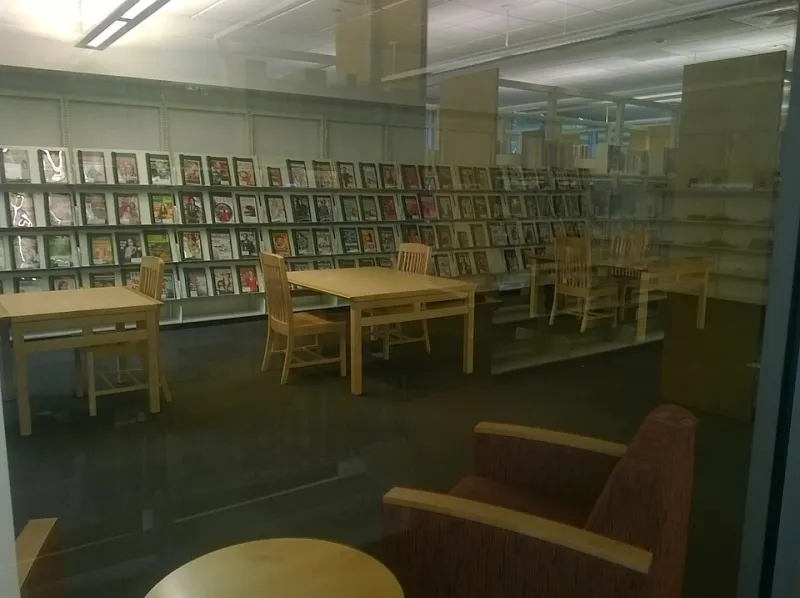
Photo: Bbfd, CC BY-SA 4.0, via Wikimedia Commons
If you have not been inside a public library since you were a kid doing a book report, you might be missing one of the most underrated accessibility tools in your community. Libraries are not just shelves of novels. They are publicly funded community centers with staff, technology, quiet space, and programs that many people with hidden disabilities can use for free.
The catch is that libraries rarely advertise the full menu. You have to know what to ask for. And if your local branch does not offer something, you may have to advocate for it. That is annoying, but it is also how library services improve.
A card with more behind it than books
A library card can get you more than hardcovers and e-books. Depending on your branch, it may unlock homebound delivery, accessible computers, screen readers, magnification software, ASL interpretation for programs, sensory-friendly story times, quiet study rooms, printing and faxing, notary services, and help with government forms.
Some libraries have social workers or community resource navigators. Some host food pantries, tax prep, or benefits enrollment events. Some lend Wi-Fi hotspots. Some have sensory kits with noise-canceling headphones, fidget tools, and visual schedules. None of this is universal, but it is more common than you might think.
Start with the reference desk, not the website
Library websites are often outdated or organized around books, not access. Call the reference desk or ask in person. Try: I have a disability that is not visible. I am trying to find out what accessibility services this branch offers. Can you tell me what is available and how to request it?
If the first staff member does not know, ask who does. Many systems have an accessibility coordinator, a homebound services librarian, or a community engagement manager. If your branch is small, ask whether another branch in the system has more services. You may be able to access them even if you do not live next door.
Homebound delivery is not just for housebound people
Homebound delivery programs usually bring books and other materials to people who cannot easily get to a branch. The eligibility rules vary. Some require a doctor's note. Some use a self-attestation form. Some are flexible about what homebound means, especially for people with episodic conditions or transportation barriers.
Ask: Does this system have a homebound or outreach delivery program? What is the eligibility process? Can I request large print, audiobooks, or a tablet? How often are deliveries made? If you are not strictly housebound but leaving the house is exhausting, say that. You may still qualify.
Quiet space is a health resource
For people with sensory sensitivities, a quiet room can be the difference between using the library and avoiding it. Ask whether the branch has a designated quiet room, a sensory-friendly hour, or a low-stimulation area. If the answer is no, ask whether there is a meeting room you can reserve for a short block of time.
If noise and light are the issue, be specific. Ask whether the fluorescent lights in a certain area can be dimmed. Ask where the least crowded seating is. Ask whether you can use headphones. Small changes can make a public building usable.
Adaptive technology and human help
Many libraries have computers with screen readers, magnification, speech-to-text, and ergonomic keyboards. Some have assistive listening devices. Some have staff who can help you set up an email account, apply for benefits, or print a document. Ask what technology is available and whether staff can help you use it.
Notary services are another underrated resource. If you need to sign paperwork for benefits, housing, or medical directives, a library notary may be free or low cost. Ask whether you need an appointment and what identification to bring.
If the answer is no
If your branch does not have a service, ask whether another branch does. If the system has no service, ask how to request it. Libraries often make decisions based on patron feedback, budget cycles, and grant opportunities. A short email to the branch manager or library board can go further than you think.
Try: I am a patron with a hidden disability. I would like to request that the library consider offering sensory kits, a quiet hour, or homebound delivery. Who is the right person to talk to about this? You do not have to write a policy paper. You just have to start the conversation.
The library as a civic partner
Libraries are one of the few public spaces where you do not have to buy anything to stay. That matters for people with disabilities who are isolated, underemployed, or navigating complicated systems. A library card is not just a key to books. It is a key to a building that belongs to all of us.
So ask for what you need. Ask twice if you have to. And if your branch is already doing accessibility well, tell them. Good services stay funded when people use them and speak up.