Your Camera On, Your Battery Empty: The Quiet Failures of Digital-First Healthcare

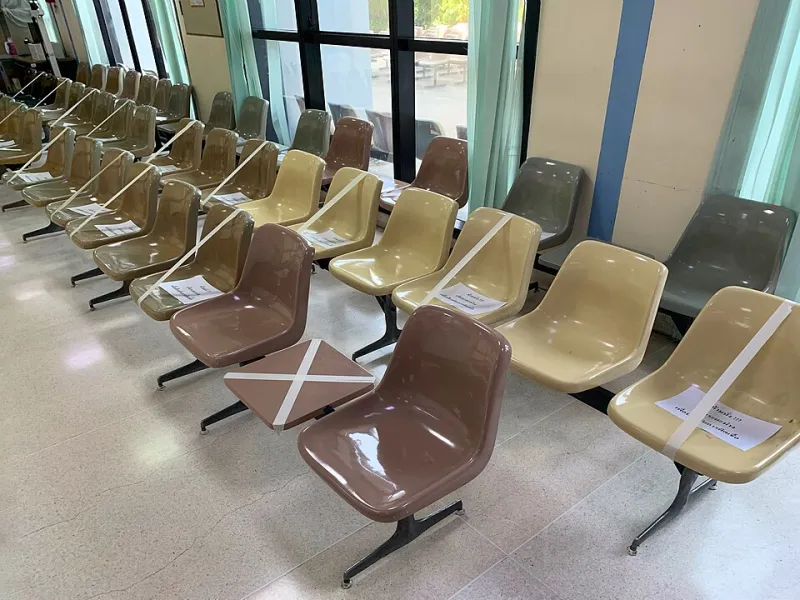
Photo: Shixart1985, CC BY 2.0, via Wikimedia Commons
Back in 2020, telehealth was the hero of American medicine. Suddenly you could see your neurologist from your couch, your therapist from your car, your endocrinologist from a lawn chair in the backyard. For people with hidden disabilities, it felt like a revolution we'd been asking for since before the pandemic made it politically possible.
Then something strange happened. For a whole lot of us, the revolution started charging admission.
The Video Visit That Costs More Than the Copay
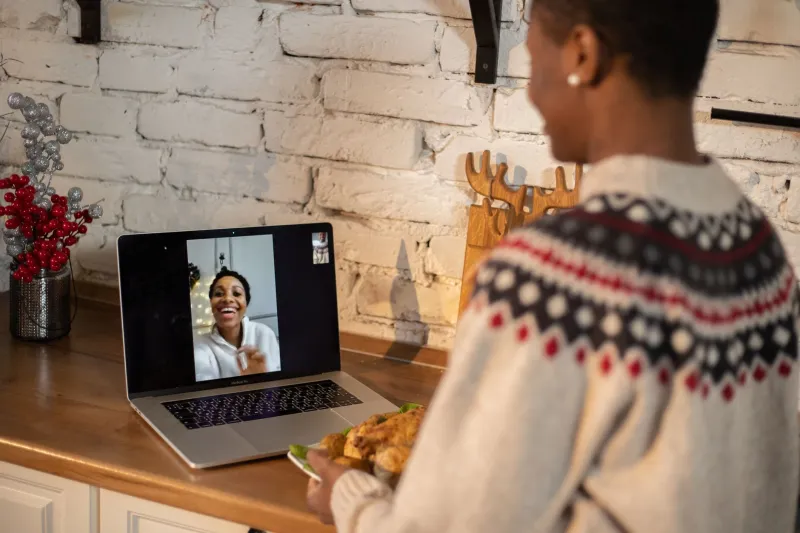
Here's the math nobody at the health system seems to do. A twenty-minute video appointment with a cognitive fatigue condition might cost you the rest of your day. Processing a face on a screen — the slight audio lag, the flickering compression, the pressure to maintain eye contact with a camera — is a completely different neurological task than sitting in a chair across from a human being.
For people with sensory processing differences, screen-based communication can be genuinely aversive. For folks with speech-affecting conditions like stuttering, vocal cord dysfunction, or the word-finding struggles that come with MS or long COVID, a laggy video call turns every sentence into an obstacle course. And unlike a waiting room, where you can at least close your eyes in the corner, the video visit puts you on display. The expectation to be lit, framed, and performing wellness is its own burden.
Some patients describe it as spending the appointment's energy budget before the appointment even starts — troubleshooting the app, finding a quiet room, praying the Wi-Fi holds. The technology meant to remove barriers just built new ones, shinier ones, with a customer satisfaction survey at the end.
Who Gets Left on Mute
The people most likely to be pushed out by digital-first care are, predictably, the ones already navigating the most. Older patients. Rural patients without broadband. People with intellectual and developmental disabilities. And — this is the part that stings — people whose conditions themselves make video hard: brain fog, chronic migraines triggered by screens, hearing loss paired with poor call audio, conditions that make sustained verbal processing difficult.
So the healthcare system ends up rationing access by who can tolerate its interface. That's not efficiency. That's a hidden tax, paid in energy and health outcomes by people who were never asked whether video worked for them.
What You Can Actually Demand
Here's the part worth writing on a sticky note: in most cases, video is not legally the only option.
Phone-only visits are usually billable. Medicare and most major insurers — think Aetna, UnitedHealthcare, Blue Cross plans — have covered audio-only telehealth, especially since the pandemic-era flexibilities. Rules vary by state and plan, but "the portal only offers video" is not the same as "audio isn't covered." Ask the billing department to verify.
You can request it in writing. Send a short, dated message through your patient portal: "Due to my condition, video appointments are not accessible to me. I'm requesting audio-only visits going forward." This creates a paper trail, and under the ADA, healthcare providers have an obligation to provide effective communication and reasonable modifications. A patient with a documented barrier has a real claim when the response is a shrug.
Name the accommodation, not the diagnosis. You don't owe anyone your full medical history to get a phone visit. "Video calls exacerbate my symptoms; audio-only is the effective format for me" is enough. You've spent enough appointments proving yourself already.
Escalate with the right words. If a practice refuses, a polite letter mentioning "accessibility barrier" and "ADA Title III" gets read differently than a complaint about inconvenience. Patient advocates and your state's protection and advocacy organization can back you up.
The Ability to Choose Your Channel
Nobody's arguing telehealth should go away. For plenty of the Hidden Abilities community, it's been life-changing — the end of two-hour drives, the waiting-room energy drain, the whole gauntlet. That's exactly the point: access means having options, not having a default chosen for you.
The real measure of digital-first healthcare isn't how sleek the app is. It's whether the patient who can't manage video still gets the same quality of care as the one who can. Until that's true, telehealth isn't an equalizer. It's a filter.
So ask for the phone call. Put it in writing. Bring someone to the appointment who can speak if you can't. Your care shouldn't depend on your camera working — or on you performing health through a lens for someone who's supposed to be treating you.