Logged In and Loved: Why Your Online Circle Counts as Real Friendship
There's a particular kind of guilt that comes with canceling plans for the hundredth time. You type the message, delete it, retype it, and finally hit send: so sorry, not up to it today. Eventually, invitations stop coming. And somewhere along the way, you start to believe the lie that friendship requires a physical address.
It doesn't. For millions of Americans living with chronic illness, chronic pain, POTS, ME/CFS, Long COVID, and other hidden disabilities, the most consistent, most generous, most real friendships they have live inside a screen. That's not a sad footnote. That's the point of this piece.
The Myth of the Lesser Friendship
Somewhere along the line, we absorbed a hierarchy: in-person friends are real, online friends are practice. Research on friendship keeps poking holes in that idea. Emotional intimacy — the thing that actually makes a friendship durable — comes from disclosure, consistency, and being understood. None of those require a shared zip code.
In fact, for people with energy-limiting conditions, online friendship can be more equitable. You can lie down. You can log off mid-conversation without a scene. You can communicate on days when your body allows words but not car rides. The format removes the tax your body pays for showing up.
There's also something quietly radical about a space where nobody has to explain themselves. In a Discord server for people with dysautonomia, nobody asks why you're using a mobility aid on Tuesday but not Thursday. The default assumption is belief.
Where the Real Communities Are
If you're starting from zero, the landscape can feel overwhelming. Here's a rough map of what works for people we've heard from over the years:
- Condition-specific Discord servers and subreddits. Search your diagnosis plus "Discord" or browse Reddit's condition communities. The best ones have active moderation, clear rules about medical advice, and channels for both venting and ordinary life talk.
- Facebook groups with screening questions. Old-fashioned, yes, but many chronic illness groups require a short answer about why you're joining — a surprisingly effective filter against scammers and drive-by skeptics.
- Virtual support groups through national organizations. Groups like the National MS Society, the Dysautonomia International community, and Long COVID-focused nonprofits run regular video meetups that are structured, moderated, and free.
- Interest-based communities with accessibility baked in. Book clubs on StoryGraph, gaming guilds with flexible raid schedules, writing circles that meet over Zoom — friendship built around a shared thing tends to outlast friendship built around a shared diagnosis.
That last point matters more than people expect. Being only the sick friend gets exhausting, even among people who get it. You deserve spaces where you're also the person who's funny about reality TV or weirdly good at bread baking.
How to Vet a Space Before You Invest Your Heart
Not every online community is safe, and when you're vulnerable, bad actors notice. A few green flags to look for:
- Visible, active moderation. Do admins respond when someone posts misinformation or gets cruel? Check the group's history before you post anything personal.
- Clear norms about medical advice. Good spaces say outright: share experiences, not prescriptions.
- No pay-to-belong pressure. Be wary of communities that funnel you toward a specific supplement, coach, or program.
- Privacy controls you understand. Learn how to lock down your profile before joining anything, especially groups tied to your real name.
And a personal boundary worth stating: you never owe anyone your diagnosis paperwork, your real name, or your location. Community is not a compliance test.
Handling the Eye-Roll From Offline People
If you have a sibling or coworker who dismisses your "internet friends," it helps to have a script. Something simple and unapologetic works best: "These people have shown up for me more consistently than anyone else has. I'd love for you to know them."
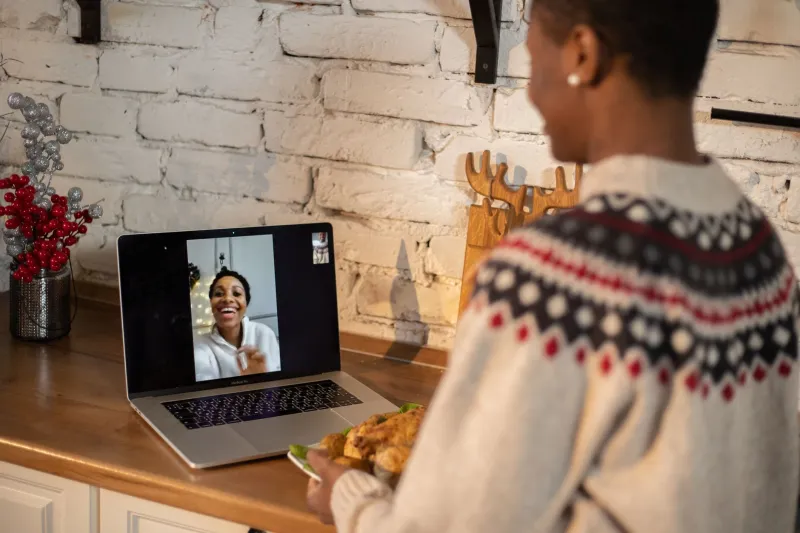
Sometimes the best rebuttal is just evidence. Online friends mail care packages during flares. They set 2 a.m. check-in alarms during medication changes. They show up to hospital waiting rooms via group video call. If that's not friendship, the word has no meaning left.
Building Your Own Table
Maybe you've looked around and haven't found your room yet. Here's a secret: community builders aren't special people with extrovert superpowers. Most of them started a group chat because they were lonely.
Start small. A group text with three people from a subreddit. A monthly video hangout with a standing agenda of "whatever happens." Set the accessibility norms from day one — cameras optional, coming late is fine, leaving without saying goodbye is fine. You'll be amazed how quickly "fine" becomes "this is the softest place I know."
Seen or Unseen, Your People Are Out There
At Hidden Abilities, we talk a lot about abilities that don't show on the outside. Community-building from a bed or a darkened room is one of them. It takes judgment, care, consistency, and emotional labor that goes completely uncounted.
So no, you're not "less social." You're not missing out on real life. You're doing friendship in the format your body allows — and doing it well. The friend request was never the dilemma. Believing you deserve to send it was. Log in. You're wanted here.