The Accommodation Audit: What Grocery Chains, Airlines, and Stadiums Promise Hidden-Disability Shoppers (and What They Actually Deliver)

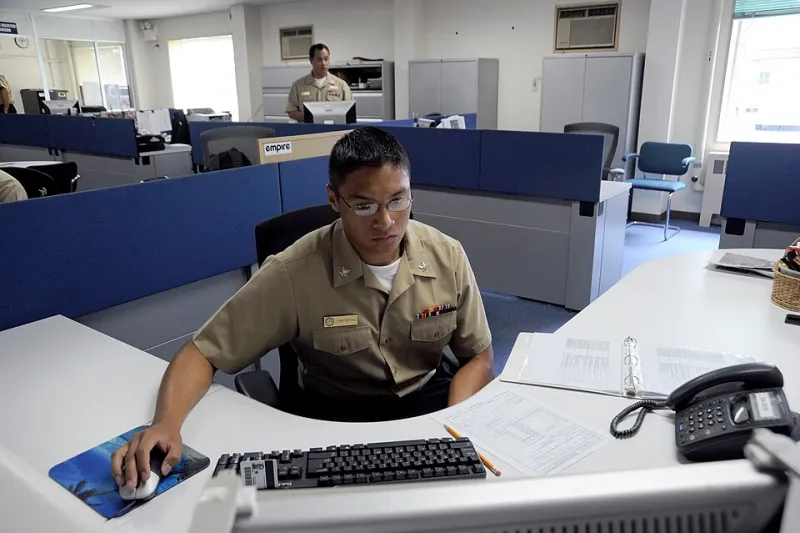
Photo: Kenneth Yarham, CC BY-SA 2.0, via Wikimedia Commons
There's a particular kind of exhaustion that comes from being told a space is 'accessible' when it clearly wasn't designed with you in mind.
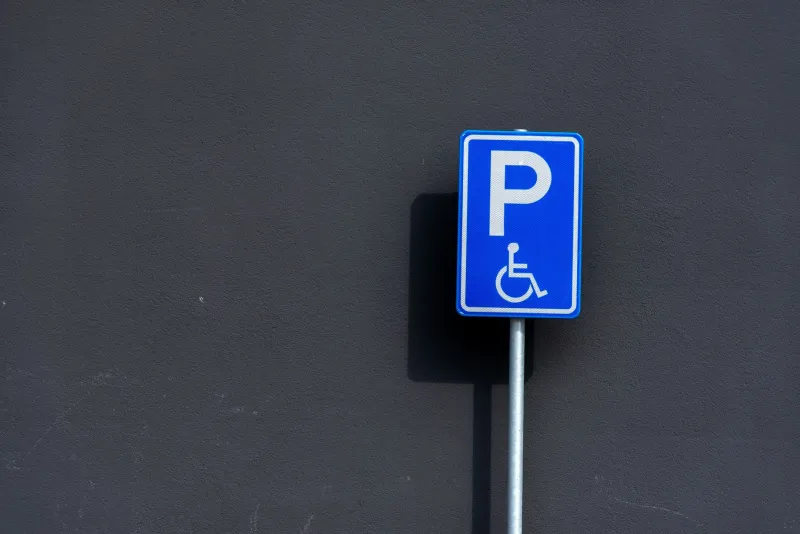
If your disability is visible — a wheelchair, a white cane, a service dog in a vest — accommodations at least get attempted, even when they're clumsy. But when what you're managing is invisible, the accessibility features on offer often amount to a blue sticker near a parking spot and a lot of well-meaning confusion.
So we did what any frustrated consumer would do: we audited. We combed through the accessibility policies of major US grocery chains, airlines, and entertainment venues, called hotlines, read the fine print, and compared the promises against what people with hidden disabilities actually report experiencing. The results? A mix of genuine progress, creative marketing, and some flat-out gaps.
The Grocery Aisle: Quiet Hours Are a Start, Not a Solution
Walk into most large supermarket chains and you'll find the same accommodations: motorized carts, wide aisles, and — increasingly — sensory-friendly hours. Chains like Walmart have rolled out 'sensory hour' events with dimmed lights and lowered music, and that's worth acknowledging. For shoppers with autism, PTSD, or sensory processing differences, those ninety minutes can be the difference between getting groceries and going without.
Here's the problem: sensory hours usually happen once a week, at a fixed time, often on a weekend morning. If your flare-ups, work schedule, or energy levels don't cooperate with Tuesday at 9 a.m., the accommodation effectively doesn't exist for you.
What's missing is flexibility. A quiet checkout lane available on request. A policy that lets a companion scan and pay while the shopper waits in the car. Trader Joe's, notably, has earned goodwill for staff who will shop the store alongside customers who find the experience overwhelming — not because of a corporate mandate, but because individual stores decided it mattered. That inconsistency is telling: the best accommodations in American grocery retail are currently running on employee kindness, not company policy.
The Boarding Gate: Where 'Pre-Boarding' Gets Complicated
Airlines are required to pre-board passengers with disabilities who need extra time or assistance. On paper, that includes plenty of hidden disabilities. In practice? Try walking up to a gate agent and saying you need pre-boarding because of your condition, and watch the calculus happen in real time.
Some travelers report being waved through without question. Others describe being asked to explain — out loud, in front of a line of strangers — why they need the accommodation. That's not just awkward; for people with conditions like anxiety disorders or traumatic brain injuries, being forced to disclose is its own barrier.
A few bright spots exist. Airlines operating out of the UK pioneered the Sunflower lanyard program, and several US carriers and airports — including some major hubs — now quietly recognize hidden-disability indicators during check-in and boarding. But recognition depends heavily on which agent you get. Until hidden-disability training is standardized across an airline's workforce, the accommodation is a coin flip, not a policy.
The Stadium: Sensory Rooms Behind the Concessions
Sports venues have actually led the pack here, and credit where it's due. Many MLB, NFL, and NBA arenas now offer sensory rooms, sensory bags with noise-canceling headphones, and designated quiet spaces. KultureCity has partnered with hundreds of venues nationwide, and for families managing autism or sensory sensitivities, these rooms have transformed what a ballgame feels like.
But the audit found gaps even here. Sensory rooms are often first-come, first-served with no reservation system — which means on a sold-out night, the room fills fast and there's no backup plan. Quiet spaces are sometimes located far from seating, turning a five-minute reset into a twenty-minute trek through concourse crowds. And almost no venue offers a clear, published policy on what happens when the sensory room is occupied. The accommodation exists; the system around it doesn't.
What Brands Getting It Right Have in Common
Across every category, the companies handling hidden disabilities well share three traits:
- They train for the ask, not the look. Staff are taught to respond to requests without demanding justification or visible proof.
- They offer options, not schedules. Accommodations are available whenever needed, not during a designated window.
- They put it in writing. The policy is published, findable, and specific — not a vague commitment to 'inclusivity' buried in a blog post.
The through-line is simple: real accessibility doesn't require you to perform your disability for a stranger.
Your Accommodation Audit Checklist
Next time a business tells you they're accessible, run them through this list — and consider sending it along with your feedback:
- Can you access the accommodation every day, at any time the business is open? A once-a-week sensory hour is a gesture, not a policy.
- Does requesting help require public disclosure? If you have to explain your diagnosis at a counter or gate, the system is failing.
- Is the policy published and specific? Vague language ('we welcome all guests') usually means no training happened behind it.
- Is there a backup plan? What happens when the sensory room is full, the cart is broken, or the quiet lane is closed?
- Does feedback go anywhere? Look for a real accessibility contact — a named coordinator or a form that doesn't vanish into a general inbox.
- Are frontline staff actually trained? Ask a specific question ('If I need to wait in the car while my companion checks out, is that allowed?') and see if the answer sounds rehearsed or real.
The Bottom Line
None of the companies we looked at are villains. Most genuinely believe they're doing right by disabled customers. But belief isn't infrastructure, and a blue parking sticker doesn't substitute for a system built with hidden disabilities in mind from the start.
The encouraging news is that change is cheap here. Sensory accommodations, flexible pre-boarding, discretion at the register — these cost almost nothing to implement. What they require is the one thing policies can't generate on their own: businesses treating hidden disabilities as a design requirement, not a PR opportunity.
Until then, the audit continues — and now you've got the checklist to run your own.